The Complete Guide to Self-Destructing Notes: When and How to Use Them

Sarah Mitchell
7 March 2026
The Complete Guide to Self-Destructing Notes: When and How to Use Them
Introduction
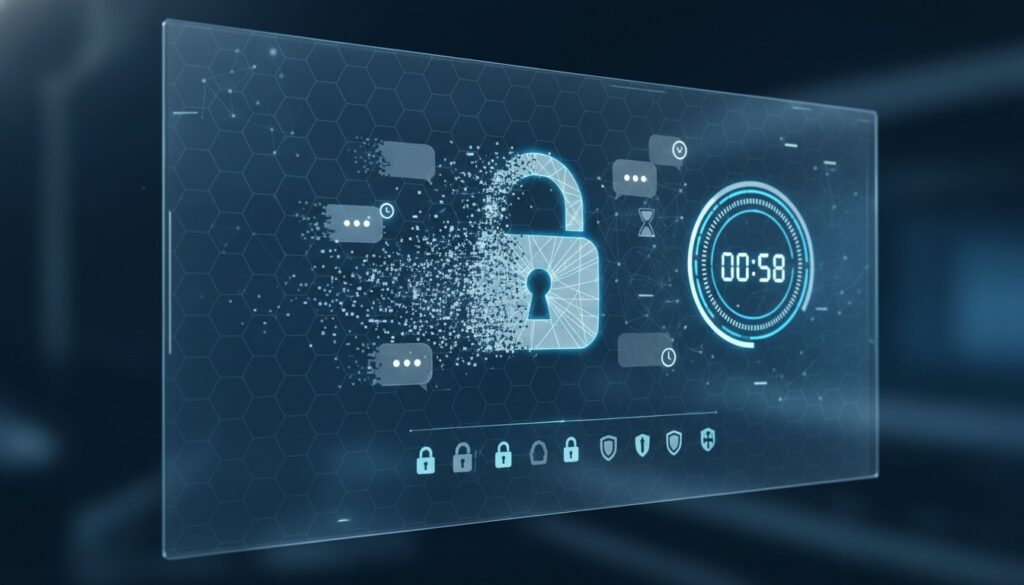
In an era where digital footprints last forever and data breaches make headlines daily, the concept of self-destructing notes has evolved from Hollywood fiction to essential digital security practice. These ephemeral messages automatically delete themselves after a predetermined time or after being read, ensuring sensitive information doesn’t linger in digital spaces where it could be compromised.
Whether you’re a business executive sharing confidential strategies, a healthcare professional transmitting patient information, or simply someone who values privacy in personal communications, self-destructing notes offer a powerful layer of protection against unwanted surveillance and data retention.
The beauty of ephemeral messaging lies not just in what it protects, but in the peace of mind it provides.
What Are Self-Destructing Notes and How Do They Work?
Self-destructing notes, also known as ephemeral messages or disappearing messages, are digital communications programmed to automatically delete themselves based on specific triggers. These triggers typically include:
Time-Based Destruction
- Countdown timers: Messages delete after a set duration (minutes, hours, days)
- Scheduled deletion: Content disappears at a predetermined date and time
- Idle timeout: Messages vanish after periods of inactivity
- Read-once policies: Content deletes immediately after being viewed
- View limits: Messages disappear after being accessed a specific number of times
- Screenshot detection: Some advanced systems delete content if screenshot attempts are detected
- Social Security numbers
- Banking details
- Password sharing
- Address changes
- Travel itineraries
- End-to-end encryption
- Customizable disappearing message timers
- Screenshot notifications
- Open-source transparency
- Military-grade encryption
- Burn-on-read functionality
- No metadata retention
- Enterprise versions available
- Self-destructing emails
- Password-protected messages
- Zero-access encryption
- Swiss privacy laws protection
- Simple, no-registration required
- One-time read destruction
- Optional password protection
- Destruction notifications
- Customizable destruction timers
- Anonymous messaging
- No IP logging
- Mobile-responsive design
- Developer-friendly API
- Bulk secret sharing
- Custom expiration settings
- Activity logging for senders
- Integration with Office 365
- Policy-driven retention
- Compliance reporting
- Administrative controls
- Configurable message retention
- Legal hold capabilities
- Data loss prevention
- Audit trail maintenance
- Immediate deletion: For highly sensitive one-time information
- 1-24 hours: For time-sensitive business communications
- 1-7 days: For ongoing project discussions
- Custom schedules: For specific compliance requirements
- Password protection for extra access control
- Screenshot detection and prevention
- Read receipts and destruction confirmations
- Two-factor authentication for sender verification
- Temporary access credentials
- Meeting locations and times
- Confidential project updates
- Personal identification numbers
- Sensitive financial information
- Permanent record requirements
- Legal documentation
- Contractual agreements
- Regulatory compliance records
- Information requiring audit trails
Action-Based Destruction
Technical Implementation
Most self-destructing note services use client-side encryption combined with server-side deletion protocols. The message is encrypted before transmission, stored temporarily on secure servers, and automatically purged according to the specified parameters.
“The goal isn’t just to delete the message—it’s to ensure no recoverable traces remain in any system.”
Essential Use Cases for Self-Destructing Notes
Business and Professional Communications
Confidential Strategy Discussions
Executives and managers can share sensitive business plans, merger discussions, or competitive intelligence without creating permanent digital records that could be subpoenaed or leaked.
Example: A startup CEO sharing fundraising strategies with board members before a crucial investor meeting.
Legal and Compliance Scenarios
Law firms and compliance officers use ephemeral messaging to discuss sensitive cases while maintaining attorney-client privilege and avoiding discoverable communications.
Financial Services
Bankers, traders, and financial advisors can share market insights and client information while adhering to strict regulatory requirements about data retention.
Healthcare and Medical Communications
Patient Information Sharing
Medical professionals can transmit patient updates, test results, or treatment plans between colleagues while maintaining HIPAA compliance.
Emergency Consultations
During medical emergencies, specialists can quickly share diagnostic information that automatically deletes after the immediate crisis is resolved.
Personal Privacy Scenarios
Sensitive Personal Information
Relationship Communications
Private conversations between partners, family members, or friends that involve personal matters better left unrecorded.
Top Self-Destructing Note Platforms and Tools
Professional-Grade Solutions
Signal Private Messenger
Wickr Me
ProtonMail
Browser-Based Services
Privnote
Burn After Reading
OneTimeSecret
Enterprise Solutions
Microsoft Purview
Slack Enterprise
Best Practices for Secure Self-Destructing Notes
Security Configuration
Choose Appropriate Destruction Timers
Enable Additional Security Features
Content Guidelines
What TO Include
What NOT to Include
Operational Security
Verify Recipient Identity
Always confirm you’re sending sensitive information to the intended recipient through a separate communication channel.
Use Trusted Networks
Avoid sending self-destructing notes over public Wi-Fi or compromised networks.
Regular Security Audits
Periodically review which platforms you’re using and update to services with enhanced security features.
“Security isn’t just about the tool you choose—it’s about how consistently and correctly you use it.”
Common Mistakes and How to Avoid Them
Technical Pitfalls
Assuming Complete Deletion
Mistake: Believing that self-destructing notes leave no traces whatsoever.
Solution: Understand that determined attackers might still recover data through device forensics or network monitoring.
Ignoring Recipient Security
Mistake: Sending sensitive information to recipients with compromised devices or poor security practices.
Solution: Educate recipients about secure viewing practices and device security.
Over-Relying on Screenshots Protection
Mistake: Assuming screenshot detection prevents all forms of content capture.
Solution: Remember that users can photograph screens with other devices or use specialized screen capture tools.
Operational Mistakes
Inappropriate Content Choices
Mistake: Using self-destructing notes for information that legally must be retained.
Solution: Consult legal and compliance teams about retention requirements before using ephemeral messaging.
Poor Timer Selection
Mistake: Setting destruction timers too short for recipients to access content.
Solution: Consider recipient time zones, availability, and urgency when setting destruction parameters.
Inadequate Backup Communication
Mistake: Failing to notify recipients about time-sensitive self-destructing messages.
Solution: Use separate communication channels to alert recipients about urgent ephemeral messages.
Legal and Compliance Considerations
Regulatory Requirements
Financial Services
FINRA, SEC, and banking regulations often require communication retention. Verify compliance before implementing self-destructing notes in financial contexts.
Healthcare
HIPAA allows for ephemeral messaging but requires proper safeguards and documentation of security measures.
Legal Profession
Bar associations generally permit self-destructing notes for attorney-client communications, provided reasonable security measures are implemented.
International Considerations
GDPR Compliance
European data protection laws support the “right to be forgotten,” making self-destructing notes potentially beneficial for compliance.
Data Sovereignty
Consider where your ephemeral messaging service stores data, even temporarily, to ensure compliance with local data protection laws.
Future of Ephemeral Messaging
Emerging Technologies
Blockchain Integration
Decentralized platforms are developing blockchain-based ephemeral messaging with cryptographic proof of destruction.
AI-Powered Security
Machine learning algorithms are being developed to detect and prevent unauthorized content capture attempts.
Quantum-Resistant Encryption
Next-generation ephemeral messaging platforms are preparing for quantum computing threats with advanced encryption methods.
Industry Adoption Trends
Enterprise Integration
More businesses are incorporating ephemeral messaging into standard communication policies and employee training programs.
Regulatory Recognition
Government agencies are beginning to recognize and accommodate ephemeral messaging in compliance frameworks.
Consumer Awareness
Growing privacy consciousness is driving mainstream adoption of self-destructing notes beyond professional use cases.
Conclusion
Self-destructing notes represent a crucial evolution in digital privacy and security practices. From protecting business secrets to maintaining personal privacy, ephemeral messaging offers powerful benefits when implemented thoughtfully and correctly.
The key to successful implementation lies in understanding your specific use case, choosing appropriate tools, and following security best practices. Remember that self-destructing notes are one component of a comprehensive privacy strategy, not a complete solution in themselves.
As digital threats continue to evolve and privacy regulations become more stringent, ephemeral messaging will likely become as standard as email encryption is today. The organizations and individuals who adopt these practices now will be better positioned to protect sensitive information in an increasingly connected world.
The question isn’t whether you need self-destructing notes—it’s whether you can afford not to use them.
Take Action: Implement Self-Destructing Notes Today
Ready to enhance your digital privacy and security? Start by identifying your most sensitive communications and evaluating which self-destructing note platform best fits your needs.
Begin with low-risk scenarios to familiarize yourself with the technology, then gradually expand usage as you become more comfortable with ephemeral messaging practices. Remember to educate your team or family members about proper usage to maximize security benefits.
Your privacy is worth protecting—and self-destructing notes are one of the most effective tools available to do so.